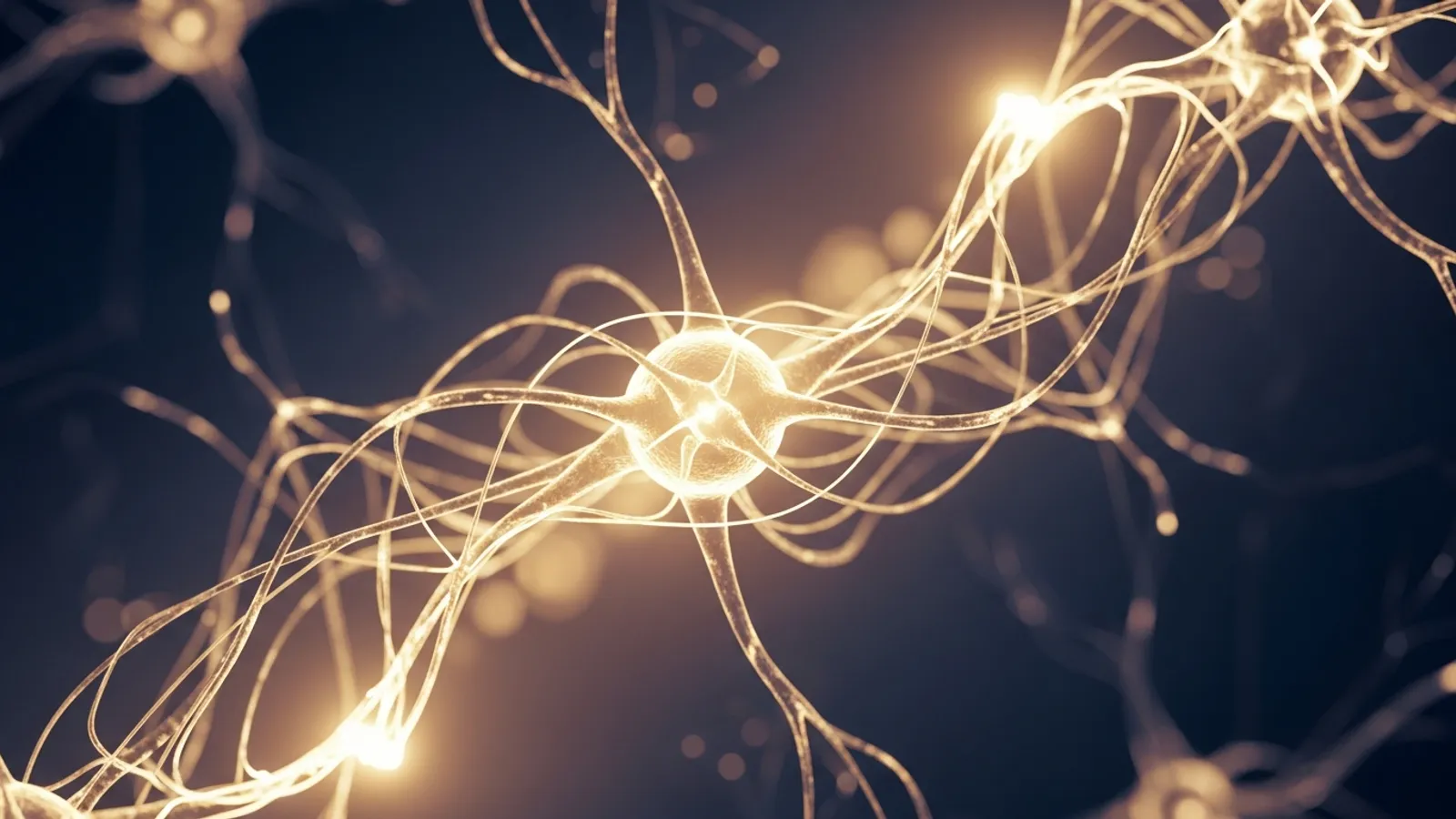
One of the most common fears I hear is 'Have I permanently damaged myself?' The honest, hopeful answer from modern neuroscience: the brain is far more capable of healing than people think.
One of the most common fears I hear, usually whispered, is some version of: 'Have I ruined my brain? Will I ever feel normal again?' People worry their memory is shot, their anxiety is permanent, the cravings will never stop. Those fears are understandable. Addiction does change the brain in real, measurable ways.
But here's the message I get to deliver, and I never get tired of it: modern neuroscience is overwhelmingly hopeful. The same brain that adapted to addiction is fully capable of adapting to recovery. While addiction changes the brain, recovery changes it too, and understanding how can give you something incredibly valuable in early sobriety, patience.
Addiction is a brain condition, not a character flaw
For a long time addiction was written off as a moral weakness or a willpower problem. The science doesn't support that. Addiction involves real changes in brain circuits tied to reward, motivation, learning, memory, stress, and impulse control. That's not an excuse, it doesn't remove personal responsibility. But it does explain why 'just stop' has never worked, and why willpower alone rarely beats a hijacked reward system.
How the reward system gets hijacked
Your brain is wired to repeat behaviors that keep you alive, eating, connection, accomplishment, and dopamine is a big part of how it flags what's worth doing again. Dopamine isn't really the 'pleasure chemical,' it's more about motivation and learning. Drugs and alcohol flood that system far harder than any natural reward, and the brain takes the hint: this is important, do it again. Over time, substance-seeking gets prioritized over everything else, relationships, interests, goals, and life narrows around the next use.
Why tolerance and withdrawal happen
The brain is always chasing balance. As use continues, it adapts, that's tolerance, needing more to get the same effect while natural rewards feel flatter. When the substance suddenly disappears, those adaptations are still in place, and that mismatch is withdrawal: anxiety, insomnia, irritability, cravings, physical discomfort. I tell clients this directly, withdrawal isn't a sign recovery is failing. It's a sign the brain is starting to recalibrate.
Neuroplasticity: the reason healing is possible
If there's one word I'd want every family to know, it's neuroplasticity, the brain's ability to rewire itself throughout your entire life. It never shuts off. Your brain keeps forming new pathways, new connections, new habits. Addiction strengthened certain pathways through repetition. Recovery strengthens different ones the same way. That's not wishful thinking, it's biology, and it's the whole reason change is possible.
What early recovery feels like, and PAWS
Early on, the brain is learning to function without chemical help. Expect mood swings, rough sleep, cravings, and some cognitive fog. Many people also hit Post-Acute Withdrawal Syndrome, or PAWS, lingering anxiety, irritability, low energy, and trouble concentrating that can come and go for weeks or months after detox. PAWS isn't universal, but it's common, and knowing it exists keeps people from mistaking a temporary phase for a permanent state and giving up.
Cravings aren't weakness, they're memory
People get discouraged when cravings continue after detox. But a craving usually isn't a character failure, it's a learned association. Your brain linked certain people, places, and feelings with using, and those cues can still light up the old pathway. The good news follows the same rule as the bad: pathways you stop reinforcing gradually lose strength. Every time you ride out a craving without using, you're literally weakening it.
What actually helps the brain heal
This is where recovery becomes biological, not just psychological. The tools we lean on aren't random, they each support the brain's repair:
- Exercise, boosts mood and BDNF, a protein tied to learning and new neural growth
- Sleep, when the brain consolidates memory, processes emotion, and repairs itself
- Nutrition, long-term use depletes the body; food is fuel for cognition and stability
- Mindfulness and meditation, measurably improve emotional regulation and stress response
- Therapy and recovery community, connection itself regulates stress and supports the brain
Addiction changes the brain. Recovery changes it too. The same machinery that learned to chase a substance can learn to build a life.
Why it takes longer than you want, and why that's okay
We live in a culture of instant results, and brain healing doesn't cooperate. Some improvements show up in weeks. Deeper ones unfold over months and years. That's not failure, that's just how neuroplastic change works, the brain is rebuilding, and rebuilding takes time. What I've watched, again and again, is that people don't just return to who they were before. They often come out with more self-awareness, more resilience, and more purpose than they had before addiction. The brain recovers. The person grows.
Related care and reading:
If you're scared it's too late
It almost never is. If fear about the damage is keeping you stuck, I'd genuinely rather you call than keep guessing. Call or text us at (619) 363-4767, you'll get a real person, often me, and we'll talk honestly about what healing could look like for your situation. No pressure, just a conversation.