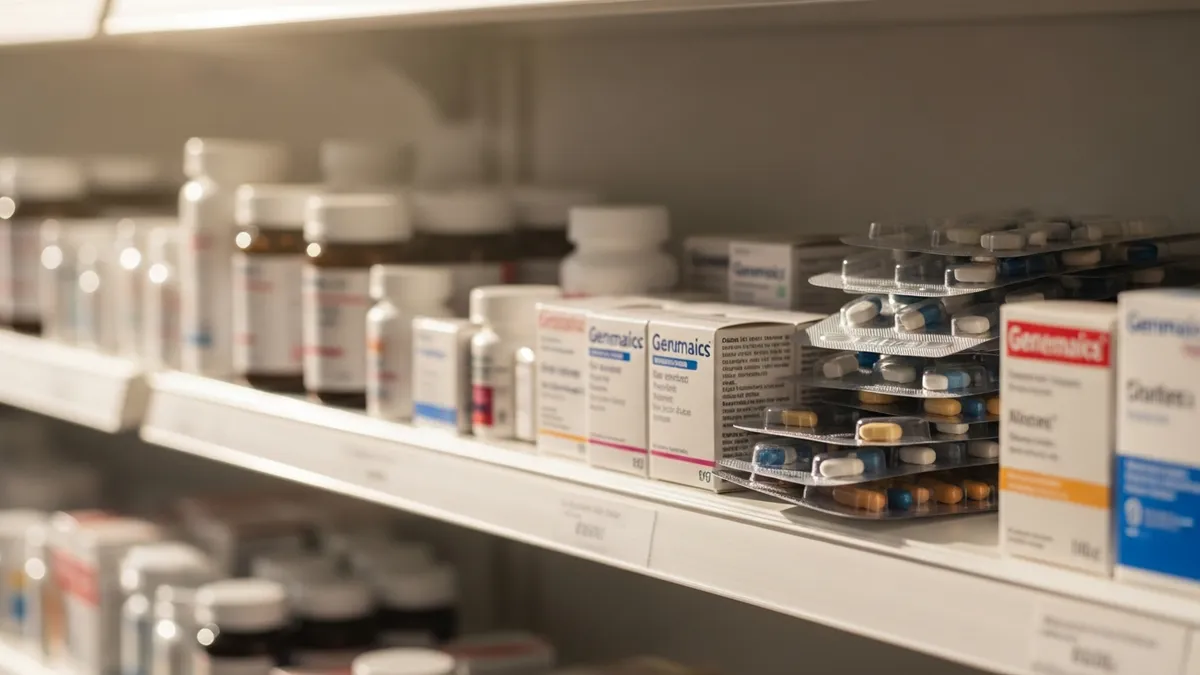
Gabapentin misuse deserves a careful, coordinated plan
Gabapentin (brand name Neurontin) is prescribed for nerve pain, seizures, and sometimes anxiety or sleep. It is one of the most commonly prescribed medications in the country. At normal doses under medical supervision, it is generally well tolerated. Concerns arise when gabapentin is taken in large doses for its calming, sometimes euphoric effect, or when it is used to amplify the effect of opioids and other depressants.
More prescription drug guides
Prescription Opioid Addiction
How dependence on pain medications like oxycodone and hydrocodone develops, and how safe, connected treatment helps.
Learn more
Muscle Relaxant Misuse
When muscle relaxants like Soma or Flexeril are misused, especially with other substances, assessment and treatment can help.
Learn more
Helping a Loved One
Practical guidance for families navigating a loved one's prescription drug dependence, without blame or enabling.
Learn moreWhy gabapentin misuse is getting attention
Research and overdose data increasingly show gabapentin present in combination with opioids. Taken together, gabapentin can deepen sedation and increase the risk of slowed breathing, which is why this combination is a genuine safety concern. People with a history of substance use disorder are at higher risk of misusing gabapentin, and regular high-dose use can produce tolerance and withdrawal symptoms, including anxiety, insomnia, restlessness, and in rare cases seizures when stopped abruptly.
Signs gabapentin use may be a problem
- Taking more than prescribed or running out early
- Using gabapentin that was not prescribed to you
- Combining it with opioids, benzodiazepines, or alcohol for a stronger effect
- Feeling unable to function or cope without it
- Withdrawal symptoms such as anxiety, insomnia, or agitation between doses
- Seeking prescriptions from multiple providers
How we help
Because gabapentin misuse so often occurs alongside other substances, treatment begins with a complete assessment of everything involved. Stopping high-dose gabapentin suddenly is not recommended, so care may include a supervised taper coordinated with medical detox when opioids or sedatives are also part of the picture. From there, treatment addresses the underlying reasons for use, nerve pain, anxiety, sleep, or a broader substance use pattern, through residential or outpatient care, therapy, and long-term recovery planning.
Not sure if it counts as a problem?
That question is exactly what a conversation is for. Call or text (619) 363-4767 and we will help you think it through honestly. No pressure, just a conversation.
Frequently asked questions
Is gabapentin addictive?
Gabapentin is not traditionally classified as an addictive medication, and most people who take it as prescribed have no problems. However, misuse is increasingly documented, especially at high doses or in combination with opioids, and regular heavy use can produce tolerance and withdrawal symptoms.
Why is gabapentin dangerous with opioids?
Gabapentin can deepen the sedation caused by opioids and increase the risk of dangerously slowed breathing. Gabapentin is frequently present in opioid-involved overdoses, which is why the combination is a genuine safety concern.
Can you go through withdrawal from gabapentin?
Yes. After regular high-dose use, stopping abruptly can cause anxiety, insomnia, restlessness, sweating, and in rare cases seizures. A gradual, clinically guided taper is the safer approach.
I take gabapentin as prescribed. Should I worry?
Taking gabapentin as prescribed under medical supervision is generally safe. Concern is warranted if doses are creeping up, if it is being combined with other substances for effect, or if the thought of being without it causes real anxiety.
How is gabapentin misuse treated?
Treatment usually involves a supervised taper rather than abrupt discontinuation, a full assessment of any other substances involved, and therapy that addresses the underlying nerve pain, anxiety, or sleep issues the medication was managing.