
Reclaim natural sleep with safe, supervised care
Families often do not recognize the problem because these medications were prescribed by a physician. The individual may not recognize it either. They simply believe they cannot sleep without them. Dependence on sleeping pills rarely begins with the intention of becoming addicted. It usually begins with someone who is exhausted and simply wants a good night's sleep. At Present Moments Recovery, we approach sleeping pill addiction without judgment. Our role is to help individuals understand what has happened, safely reduce dependence when appropriate, and develop healthier, sustainable approaches to sleep and recovery.
Learn more about specific sleep medications
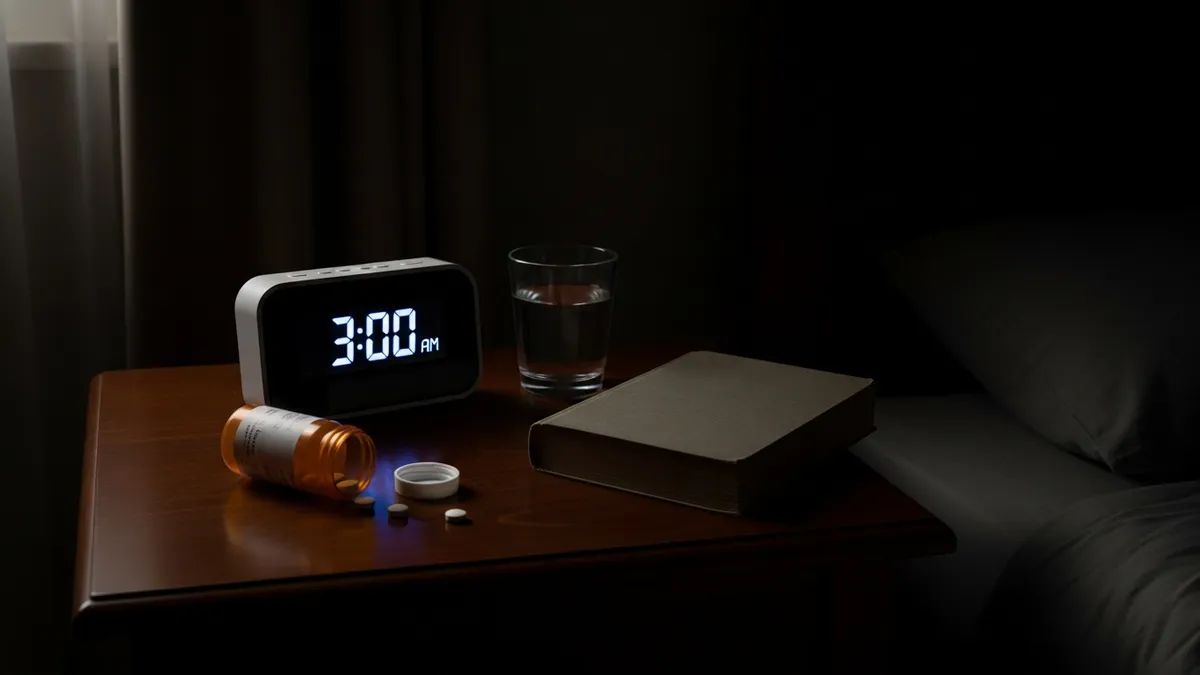
Ambien Addiction Treatment
Zolpidem dependence, tolerance, memory gaps, and unusual nighttime behavior: what Ambien misuse looks like and how treatment helps.
Learn more
Lunesta Addiction Treatment
Eszopiclone was meant to be the safer sleep aid, but tolerance and dependence still happen. Recognizing the pattern and treating it.
Learn more
Benzodiazepine Addiction Treatment
Medically supervised care for dependence on benzodiazepines like Xanax, Ativan, or Klonopin.
Learn moreWhat families can count on
CARF accredited and DHCS licensed. Serving North County San Diego for more than ten years. Founder-led conversations, individualized clinical care, and one connected team from the first call through aftercare.
What is sleeping pill addiction?
Sleeping pill addiction involves the continued use of prescription sleep medications despite negative physical, emotional, or social consequences. Many individuals begin taking these medications exactly as prescribed. Over time, tolerance may develop. The medication becomes less effective, and higher doses may be needed to achieve the same effect. Some individuals begin taking medication earlier in the evening, combining medications, or feeling unable to sleep without them. While not everyone who develops physical dependence has an addiction, both situations deserve thoughtful medical and clinical evaluation. Recovery is possible with appropriate treatment and support.
Common prescription sleep medications
Several medications are commonly prescribed for insomnia and sleep disorders. These may include Ambien (zolpidem), Lunesta (eszopiclone), Sonata (zaleplon), Restoril (temazepam), certain benzodiazepines prescribed for sleep, and other sedative-hypnotic medications. Each medication has unique characteristics and treatment considerations.
Why dependence can develop
Sleep medications are designed to help people fall asleep or stay asleep. When used beyond the intended duration, or taken differently than prescribed, the body may begin adapting. Some individuals notice:
- Increasing tolerance
- Difficulty sleeping without medication
- Anxiety at bedtime without the medication
- Needing higher doses
- Taking medication earlier in the evening
- Combining medications or alcohol
- Repeated unsuccessful attempts to stop
These changes often occur gradually. Many people do not recognize them until dependence has become well established.
Common signs of sleeping pill addiction
Physical signs can include:
- Fatigue despite medication
- Memory problems
- Morning grogginess
- Poor coordination
- Increased tolerance
- Withdrawal symptoms when reducing medication
Behavioral signs can include:
- Running out of medication early
- Visiting multiple prescribers
- Secretive medication use
- Taking larger doses
- Combining medications
- Difficulty functioning without medication
Emotional signs can include:
- Anxiety about bedtime
- Fear of sleeping without medication
- Irritability
- Mood changes
- Depression
- Emotional dependence on medication
When should someone seek help?
Families often wonder whether sleep medication dependence is serious enough to require treatment. The answer depends on how the medication is affecting someone's life. If a person feels unable to sleep without medication, is taking increasing doses, mixing medications, or experiencing physical or emotional consequences, it is worth having a professional conversation. Treatment is not about taking sleep away. It is about helping someone regain the ability to sleep, and live, without depending on medication in unhealthy ways. Whether you are seeking help for yourself or someone you love, we will help you understand the safest and most appropriate next step.
How we treat sleeping pill addiction
Many people entering treatment for sleeping pill dependence are frightened by one central question: "How will I ever sleep without this medication?" That fear is real. For some individuals, prescription sleep medication has been part of their nightly routine for months or years, and it may feel like the only thing standing between them and another sleepless night. That is why we do not begin by minimizing the fear or telling someone to simply stop taking the medication. We begin by listening. Every client receives an individualized assessment covering: which sleeping medication is being used, the prescribed and current dosage, how long it has been taken, whether multiple sleep medications are involved, whether alcohol or other substances are also being used, previous attempts to reduce or stop, current sleep patterns, anxiety, depression, trauma, or other mental health concerns, medical history, home environment, previous treatment experiences, and personal recovery goals. Our goal is not simply to remove a medication. It is to help the person regain physical stability, emotional confidence, and the ability to approach sleep in a healthier and more sustainable way.
Safe medical assessment comes first
Sleeping medications affect the central nervous system, and different medications carry different withdrawal considerations. Some individuals experience rebound insomnia when reducing or stopping a sleep medication. Others may experience anxiety, irritability, restlessness, sweating, shaking, nausea, mood changes, difficulty concentrating, strong cravings, or significant sleep disruption. The safest approach depends on the specific medication, dosage, duration of use, health history, and whether other substances are involved. No one should abruptly change or discontinue a prescription sleep medication without consulting a qualified medical professional. A medical and clinical assessment helps determine whether someone may need medically supervised withdrawal support, a physician-directed taper, residential stabilization, outpatient treatment, psychiatric evaluation, treatment for additional substance use, or support for an underlying sleep or mental health condition. The correct starting point should be determined by clinical need, not fear, assumptions, or a predetermined program.
Does sleeping pill addiction require detox?
Not everyone taking prescription sleep medication requires detox. Some individuals may be physically dependent but clinically stable enough to work with their prescribing professional while participating in outpatient care. Others benefit from a more structured and medically supervised setting. Detox or stabilization may be appropriate when the medication has been used at increasing doses, several sedative medications are being combined, alcohol, opioids, or benzodiazepines are also involved, previous attempts to stop have caused significant symptoms, the person cannot use the medication as prescribed, there are safety concerns involving confusion, falls, memory loss, or unusual nighttime behavior, mental health symptoms are severe, the home environment does not support safe recovery, or repeated attempts to reduce use have been unsuccessful. Detox is not the entire treatment process. It addresses physical stabilization. The work that follows helps the person understand the dependence, treat the underlying sleep problem, and build healthier patterns that support long-term recovery.
Safety first
Anyone experiencing unusual nighttime behavior such as sleepwalking or activities with no memory afterward, severe confusion, injuries, or effects from combining sleep medication with alcohol, opioids, or other sedatives should contact a qualified medical professional promptly.
One connected continuum of care
Recovery from sleeping pill addiction may involve more than one stage of care. Some clients need residential structure at the beginning, when dependence is significant, sleep disruption is severe, multiple substances are involved, or previous attempts to stop have failed. A partial hospitalization program (PHP) provides intensive daytime clinical care focused on emotional stability, sleep routines, anxiety management, and relapse prevention while independence grows. An intensive outpatient program (IOP) is an especially important stage for sleeping pill recovery: the person begins facing the same evening routines, stressors, and fears that once led them to rely on medication, but now with regular access to therapeutic support and practical recovery tools. Some clients also benefit from structured sober living coordination for accountability, peer support, consistent routines, and support during evenings and weekends.
“The beauty of our Continuum of Care model is a consistent treatment team from the beginning of the journey until the client is ready to fly solo. Clients are able to establish trust with their primary counselor, while the team supports them from the first day of care through their transition into the next appropriate stage of recovery.”
Treating the insomnia, not only the medication use
Many people became dependent on sleeping pills because they had a genuine sleep problem: chronic insomnia, anxiety at bedtime, trauma-related nightmares, racing thoughts, depression, grief, shift-work disruption, chronic pain, stress, or irregular sleep routines. If treatment focuses only on discontinuing medication, the original problem remains, leaving the person vulnerable to returning to sleeping pills or finding another substance to manage the discomfort. Effective treatment examines both questions: what has happened with the medication, and what is preventing healthy sleep? Recovery becomes stronger when those factors are addressed together.
Rebuilding trust in the ability to sleep
Sleeping pill dependence often creates a powerful belief: "I cannot sleep without medication." After months or years of relying on a pill, going to bed without it can create anxiety before the person has even turned out the light. Part of recovery involves helping clients rebuild trust in their own ability to rest. That process takes patience. It may involve establishing consistent sleep and wake times, reducing stimulating activity before bed, creating a calmer sleep environment, identifying anxious thoughts about sleep, learning relaxation and mindfulness skills, addressing nightmares or trauma symptoms, and developing realistic expectations during early recovery. Healthy sleep may not return immediately. That does not mean recovery is failing. The body and mind often need time to adjust.
Cognitive Behavioral Therapy for Insomnia (CBT-I)
Cognitive Behavioral Therapy for Insomnia, commonly called CBT-I, is a structured approach that helps people change thoughts and behaviors that contribute to ongoing sleep difficulties. CBT-I may address anxiety about not sleeping, irregular sleep schedules, spending excessive time awake in bed, unhelpful beliefs about sleep, and habits that weaken the connection between bed and rest. CBT-I is distinct from general Cognitive Behavioral Therapy, although the two share related principles. When appropriate and available, CBT-I strategies may be incorporated directly or coordinated with a qualified sleep or behavioral health professional. The goal is not to promise perfect sleep. It is to help clients build healthier, evidence-informed patterns that reduce reliance on medication.
Evidence-based therapies
Treatment for sleeping pill addiction should address substance use, sleep, emotional health, and daily functioning together. Our clinical approach may include:
- Cognitive Behavioral Therapy (CBT): examining beliefs such as "If I do not sleep eight hours, I will not function" or "I will never sleep naturally again," and learning to respond to those fears more effectively
- Dialectical Behavior Therapy (DBT): practical skills for emotional regulation, distress tolerance, mindfulness, and managing nighttime anxiety without immediately returning to medication
- Motivational Interviewing (MI): honestly exploring the conflict between recognizing consequences and fearing life without the medication
- Individual therapy: space to examine the history of sleep problems, bedtime anxiety, trauma or nightmares, medication patterns, shame, and personal recovery goals
- Group therapy: connection, accountability, and hearing how others have moved through fear, sleep disruption, and early recovery
- Family therapy: addressing the secrecy, arguments, medication monitoring, and broken trust that dependence can create
Addressing co-occurring mental health conditions
Sleeping pill dependence often overlaps with anxiety, depression, trauma and PTSD, panic symptoms, grief, chronic stress, mood instability, and other substance use. Sometimes the mental health condition existed before the sleep problem. Sometimes the medication pattern contributed to emotional or cognitive difficulties. Often several factors are interacting. We assess substance use and mental health together so clients do not receive fragmented care. The goal is not to assume every symptom comes from the medication. It is to understand the full relationship among sleep, emotional health, medication use, and daily functioning.
The risks of combining sleeping pills with other substances
Some of the greatest concerns arise when prescription sleep medications are combined with alcohol, benzodiazepines, opioids, other sedatives, or multiple sleep medications. Combining central nervous system depressants may increase impairment and other serious safety risks: greater confusion, memory problems, poor coordination, falls, impaired judgment, unusual nighttime behavior, and increased risk-taking. A complete and honest assessment of every medication and substance involved is essential. This is not about punishment. It is about helping the clinical and medical team understand the risks and identify the most appropriate next step.
Recovery means more than sleeping without a pill
The purpose of treatment is not simply to prove that someone can survive a night without medication. Recovery means rebuilding a life in which rest is supported by healthier rhythms, emotional stability, and practical coping skills. Clients work on consistent daily schedules, emotional regulation, physical wellness, stress management, exercise, nutrition, healthy evening routines, reduced isolation, meaningful relationships, purpose, and relapse prevention planning. Sleep improves within the context of an overall healthier life.
Helping families respond with compassion and clarity
Families often feel confused because the medication was prescribed by a doctor. They may wonder: "Is this really addiction?" "Should we take the medication away?" "Are we overreacting?" "What if they cannot sleep?" Families should not attempt to manage medication withdrawal on their own. They can, however, encourage professional assessment, communicate specific concerns, and establish boundaries around unsafe behavior. Helpful language might sound like: "I know this medication began as a way to help you sleep. I am concerned because the dosage has increased, you have tried to stop, and it seems to be affecting your memory and daily life. I would like us to speak with someone who understands this." Throughout treatment, families receive guidance on dependence and addiction, safe communication, healthy boundaries, recovery expectations, relapse warning signs, and their own need for support.
Why families choose Present Moments Recovery
Families are not routed through a distant call center. When you call, you will often speak directly with Mark Gladden, our founder, who listens carefully and helps clarify the next right step. We do not assume that every person taking sleep medication needs residential care. Recommendations are based on medication history, safety, mental health, daily functioning, home environment, and clinical need. Our intentionally smaller program allows the clinical team to know each client personally and adjust treatment as needs change. And because our Continuum of Care is delivered by one connected team, clients move through residential and outpatient levels without repeatedly starting over with disconnected providers.
A message from Mark
"Many people struggling with sleeping pill dependence never intended to misuse medication. They were exhausted. They were anxious. They wanted relief. By the time they realize the medication has become a problem, they may be terrified that they will never sleep normally again. I have learned not to underestimate that fear. Our job is not to shame someone or take away the only solution they believe they have. Our job is to help them find safer, healthier solutions while reminding them that recovery is possible. People can regain stability. They can rebuild confidence. And they can learn to rest without organizing their lives around a pill." Mark Gladden, Founder
Sleeping pill addiction treatment in San Diego: quick answer
Present Moments Recovery provides individualized treatment for sleeping pill addiction and prescription sleep medication dependence in North County San Diego. Care may include medical assessment, supervised withdrawal support when appropriate, residential or outpatient treatment, evidence-based therapy, family involvement, healthy sleep restoration, and treatment for co-occurring anxiety, trauma, depression, or other mental health concerns.
You may be afraid that asking for help means losing the only thing that allows you to sleep. Treatment should not dismiss that fear. The first step is a conversation about the medication, your sleep, your health, and what has been happening. Call or text (619) 363-4767. No pressure, just a conversation.
Go deeper on sleeping pill recovery
Ambien Addiction Treatment
Zolpidem dependence, tolerance, memory gaps, and unusual nighttime behavior: what Ambien misuse looks like and how treatment helps.
Learn moreLunesta Addiction Treatment
Eszopiclone was meant to be the safer sleep aid, but tolerance and dependence still happen. Recognizing the pattern and treating it.
Learn more
Sleeping Pill Withdrawal
Rebound insomnia, anxiety, and physical symptoms: what stopping sleep medication involves and why changes need medical guidance.
Learn more
Learning to Sleep Without Medication
CBT-I, routines, and rebuilding trust in your own ability to rest: how natural sleep comes back after medication dependence.
Learn more
Helping a Loved One
When a spouse or parent cannot sleep without pills: how to raise concerns safely, without supervising their medication yourself.
Learn more
Sleeping Pill Relapse Prevention
Bad nights, travel, stress, and easy refills are the real tests. Planning for lasting recovery from sleep medication dependence.
Learn moreLevels of care and related conditions

Medical Detox
Residential Detox and Withdrawal Management in San Marcos, plus separate outpatient withdrawal management in Carlsbad.
Learn more
Residential Addiction Treatment
Round-the-clock residential care in a small, single-family home, typically fewer than six clients.
Learn more
Partial Hospitalization Program (PHP)
Structured daytime treatment at our Carlsbad location, higher support than IOP.
Learn more
Intensive Outpatient Program (IOP)
A DBT-focused intensive outpatient program in Carlsbad for adults 18+, with flexible day and evening structure.
Learn more
Structured Sober Living
Structured sober living for men at By the Sea Recovery in San Marcos, a non-treatment level of care.
Learn more
Prescription Drug Addiction Treatment
Care for dependence on prescription medications, painkillers, sedatives, and stimulants alike.
Learn moreBenzodiazepine Addiction Treatment
Medically supervised care for dependence on benzodiazepines like Xanax, Ativan, or Klonopin.
Learn more
Alcohol Addiction Treatment
Help for alcohol use disorder, from physician-directed withdrawal management through outpatient care and continuing recovery.
Learn more
Co-Occurring Disorders (Dual Diagnosis)
Integrated care when mental health and substance use happen together, treated as one, not two.
Learn more
Trauma & PTSD
Trauma-informed care that addresses the pain so often beneath substance use.
Learn moreFrequently asked questions
Can sleeping pills become addictive?
Yes. Some prescription sleeping pills can lead to physical dependence, misuse, or addiction, especially when taken for extended periods, at higher doses than prescribed, or in combination with alcohol or other sedating substances. A person may begin relying on the medication not only to sleep but also to manage anxiety, stress, or emotional discomfort. Not everyone who becomes physically dependent has an addiction. A clinical assessment can help clarify what is happening and what level of support may be appropriate.
What are common signs of sleeping pill addiction?
Possible warning signs include taking more medication than prescribed, running out of prescriptions early, feeling unable to sleep without medication, repeated unsuccessful attempts to reduce use, visiting multiple prescribers, combining sleep medication with alcohol or other drugs, memory problems or confusion, morning sedation, secretive medication use, and continued use despite health, work, or relationship consequences. The concern is not simply whether someone takes sleeping medication. It is whether the medication has become difficult to control and is causing harm.
What is the difference between dependence and addiction?
Physical dependence means the body has adapted to a medication and may experience withdrawal or rebound symptoms when the medication is reduced or stopped. Addiction involves impaired control, compulsive use, cravings, and continued use despite harmful consequences. A person may be physically dependent without meeting the criteria for addiction. Both situations deserve careful medical evaluation.
What sleeping pills are most commonly associated with dependence?
Prescription sleep medications associated with dependence or misuse may include Ambien (zolpidem), Lunesta (eszopiclone), Sonata (zaleplon), Restoril (temazepam), benzodiazepines prescribed for sleep, and other sedative-hypnotic medications. Each medication has different effects, withdrawal considerations, and treatment needs.
Is it safe to stop sleeping pills suddenly?
Not always. Abruptly stopping some prescription sleep medications may lead to significant rebound insomnia, anxiety, agitation, or other withdrawal symptoms. Medications that contain benzodiazepines or other sedatives may involve additional medical risks. No one should change or discontinue a prescribed sleep medication without consulting a qualified medical professional.
What is rebound insomnia?
Rebound insomnia is a temporary worsening of sleep after reducing or stopping a sleep medication. A person may sleep worse than they did before beginning the medication, which can reinforce the belief that they cannot sleep without it. Rebound insomnia does not necessarily mean natural sleep will never return. With appropriate support and healthy sleep strategies, many people gradually rebuild more stable sleep patterns.
Does everyone need medical detox?
No. The need for detox depends on the specific medication, dosage, duration of use, use of other substances, previous withdrawal symptoms, physical and mental health, safety concerns, and the person's home environment. Some individuals may work with a prescribing professional while participating in outpatient care. Others benefit from physician-directed withdrawal management or residential stabilization.
How is sleeping pill addiction treated?
Treatment may include medical and psychiatric assessment, physician-guided medication management, detox or stabilization when appropriate, residential treatment, partial hospitalization, intensive outpatient treatment, Cognitive Behavioral Therapy, CBT-I strategies, individual and group counseling, family therapy, treatment for anxiety, trauma, or depression, relapse prevention planning, and long-term recovery support. Treatment should address both the medication dependence and the reasons the person came to rely on it.
What is Cognitive Behavioral Therapy for Insomnia?
Cognitive Behavioral Therapy for Insomnia, often called CBT-I, is a structured treatment that helps people change thoughts and behaviors that contribute to chronic sleep difficulties. It may address anxiety about sleep, irregular sleep schedules, spending excessive time awake in bed, unhelpful beliefs about sleep, bedtime routines, and habits that interfere with rest. CBT-I strategies may be provided directly or coordinated with an appropriately trained sleep or behavioral health professional.
Can anxiety or trauma affect sleep medication dependence?
Yes. Many people begin using sleep medication because of anxiety, panic, trauma-related nightmares, depression, grief, chronic stress, or racing thoughts. If these underlying concerns are not addressed, the person may remain vulnerable to returning to medication or another substance. Integrated treatment addresses substance use, sleep, and mental health together.
Is it dangerous to combine sleeping pills with alcohol?
Combining sleeping pills with alcohol may increase sedation, confusion, impaired judgment, memory problems, poor coordination, and other serious safety risks. Anyone combining sleep medication with alcohol, opioids, benzodiazepines, or other sedatives should receive a complete medical and clinical assessment.
Can prescription sleeping pills cause unusual nighttime behavior?
Some sleep medications have been associated with complex behaviors such as sleepwalking, preparing food, leaving the home, or engaging in activities while not fully awake. A person may have little or no memory of the behavior afterward. Anyone experiencing unusual nighttime activity, injuries, severe confusion, or dangerous behavior should contact a qualified medical professional promptly.
Can someone learn to sleep without medication?
Yes. Many people gradually rebuild healthier sleep through consistent sleep and wake times, treatment for anxiety, trauma, or depression, CBT-I strategies, stress management skills, physical activity, healthy evening routines, reduced substance use, medical guidance, and patience during early recovery. Sleep may not improve immediately, but meaningful recovery is possible.
Can families participate in treatment?
Yes. Family support helps loved ones understand dependence and addiction, communicate concerns more effectively, avoid trying to control medication withdrawal, establish healthy boundaries, support better routines, recognize relapse warning signs, and rebuild trust. Families should not attempt to supervise medication reduction without professional guidance.
Do you accept insurance?
PMR may work with PPO and POS plans that include authorized out-of-network benefits. Coverage depends on the individual plan, medical necessity, and recommended level of care. We can verify your benefits confidentially and explain what may be covered before treatment begins. We do not accept Medicare or Medi-Cal.