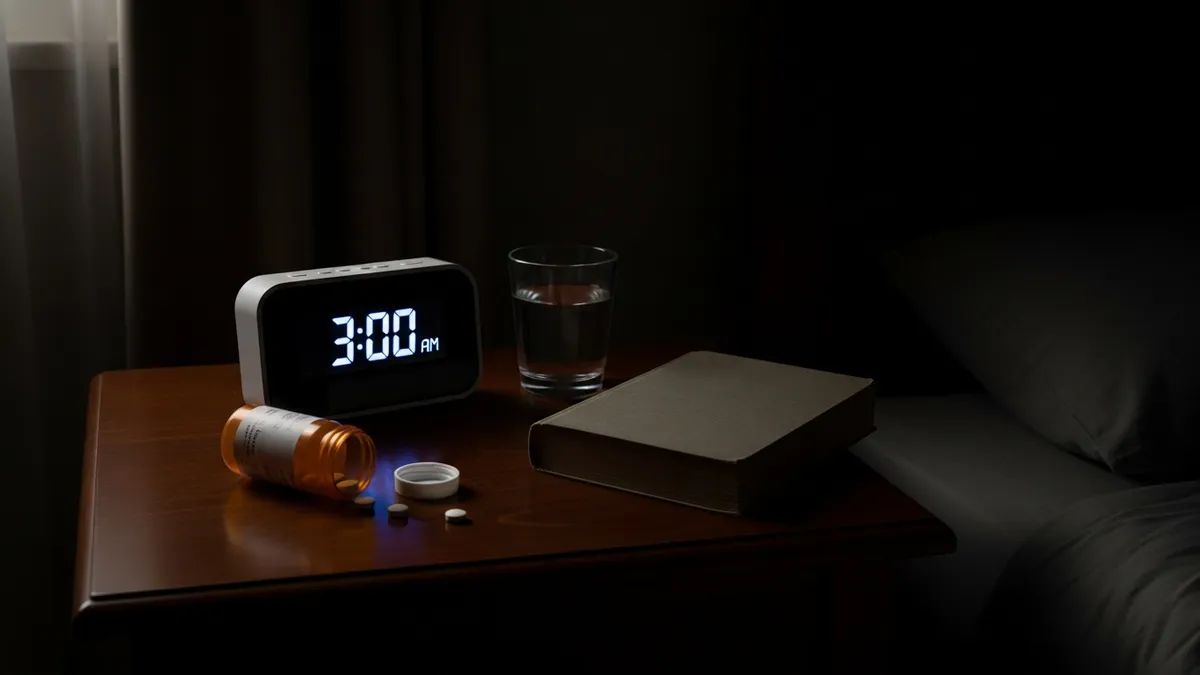
Rebuild real sleep so Ambien stops feeling necessary
Ambien (zolpidem) is a sedative-hypnotic medication intended for short-term treatment of insomnia. It works quickly and, for many people, effectively. But the same qualities that make it work also make it easy to depend on. With regular use, tolerance can build: the original dose produces less sleep, doses creep up or drift earlier in the evening, and the body increasingly expects the medication in order to shut down at all.
Related reading

Sleeping Pill Withdrawal
Rebound insomnia, anxiety, and physical symptoms: what stopping sleep medication involves and why changes need medical guidance.
Learn more
Medical Detox
Residential Detox and Withdrawal Management in San Marcos, plus separate outpatient withdrawal management in Carlsbad.
Learn more
Prescription Drug Addiction Treatment
Care for dependence on prescription medications, painkillers, sedatives, and stimulants alike.
Learn moreSigns Ambien use has become a problem
- Needing higher doses, or taking a second pill during the night
- Taking Ambien earlier in the evening, or on nights it was not needed before
- Feeling anxious or unable to wind down without knowing the pill is there
- Running out of prescriptions early or seeking prescriptions from more than one provider
- Combining Ambien with alcohol or other medications to strengthen the effect
- Morning grogginess, memory gaps, or foggy thinking that affects work or driving
- Repeated attempts to stop that end after one or two sleepless nights
Memory problems and complex sleep behaviors
Zolpidem has been associated with complex sleep behaviors: sleepwalking, eating, having conversations, driving, or leaving the home while not fully awake, often with little or no memory of it afterward. These episodes can be dangerous, and regulators have issued strong warnings about them. The risk appears greater at higher doses and when Ambien is combined with alcohol or other sedating substances. Anyone experiencing unusual nighttime activity, unexplained injuries, or severe confusion should contact a qualified medical professional promptly.
Safety note
Do not stop or change Ambien on your own, especially after long-term or high-dose use. Abrupt changes can cause rebound insomnia, anxiety, and other withdrawal symptoms. Medication changes should always be guided by a qualified medical professional.
How treatment works
Treatment begins with a complete assessment: dose, duration, other medications and substances, previous attempts to stop, sleep history, and mental health concerns such as anxiety, depression, or trauma. From there, the plan may involve coordination with medical professionals around a safe, gradual reduction, residential stabilization when dependence is significant or multiple substances are involved, or outpatient treatment when the situation is stable. Alongside the medication work, therapy addresses the insomnia itself and the fear underneath it: CBT to challenge beliefs like "I will never sleep without it," CBT-I strategies to rebuild the connection between bed and rest, and treatment for the anxiety or trauma that made sleep so hard in the first place.
“The beauty of our Continuum of Care model is a consistent treatment team from the beginning of the journey until the client is ready to fly solo. Clients are able to establish trust with their primary counselor, while the team supports them from the first day of care through their transition into the next appropriate stage of recovery.”
Worried about your Ambien use?
You do not need to have the answers before you call. We will ask about the medication, your sleep, and what has been happening, and help you understand the safest next step. Call or text (619) 363-4767. No pressure, just a conversation.
Frequently asked questions
Is Ambien addictive?
Ambien (zolpidem) can lead to tolerance, physical dependence, and in some cases addiction, particularly with long-term use, higher doses, or combination with alcohol or other sedatives. Many people become dependent while taking it as prescribed, which is why any concern deserves a careful medical and clinical evaluation rather than shame.
How long does it take to become dependent on Ambien?
It varies. Ambien is generally intended for short-term use, often a few weeks. Dependence becomes more likely as use extends beyond that window, as doses increase, or as the person begins to feel unable to sleep without it. Duration, dose, health history, and other substances all play a role.
What are Ambien withdrawal symptoms?
Common symptoms include rebound insomnia, anxiety, irritability, restlessness, shakiness, sweating, mood changes, and strong cravings for the medication. Symptoms depend on dose and duration of use. Because of these effects, Ambien should not be stopped abruptly without guidance from a qualified medical professional.
Why does Ambien cause sleepwalking and memory gaps?
Zolpidem can leave a person in a state where they are active but not fully conscious, producing complex sleep behaviors such as walking, eating, or even driving with little or no memory afterward. The risk increases with higher doses and when Ambien is mixed with alcohol or other sedating substances. These episodes warrant prompt medical attention.
How is Ambien addiction treated?
Treatment typically includes medical assessment, physician-guided medication management or supervised tapering when appropriate, residential or outpatient care based on clinical need, therapy for the underlying insomnia and anxiety, CBT-I strategies, family involvement, and relapse prevention planning. Present Moments Recovery provides this care in North County San Diego.