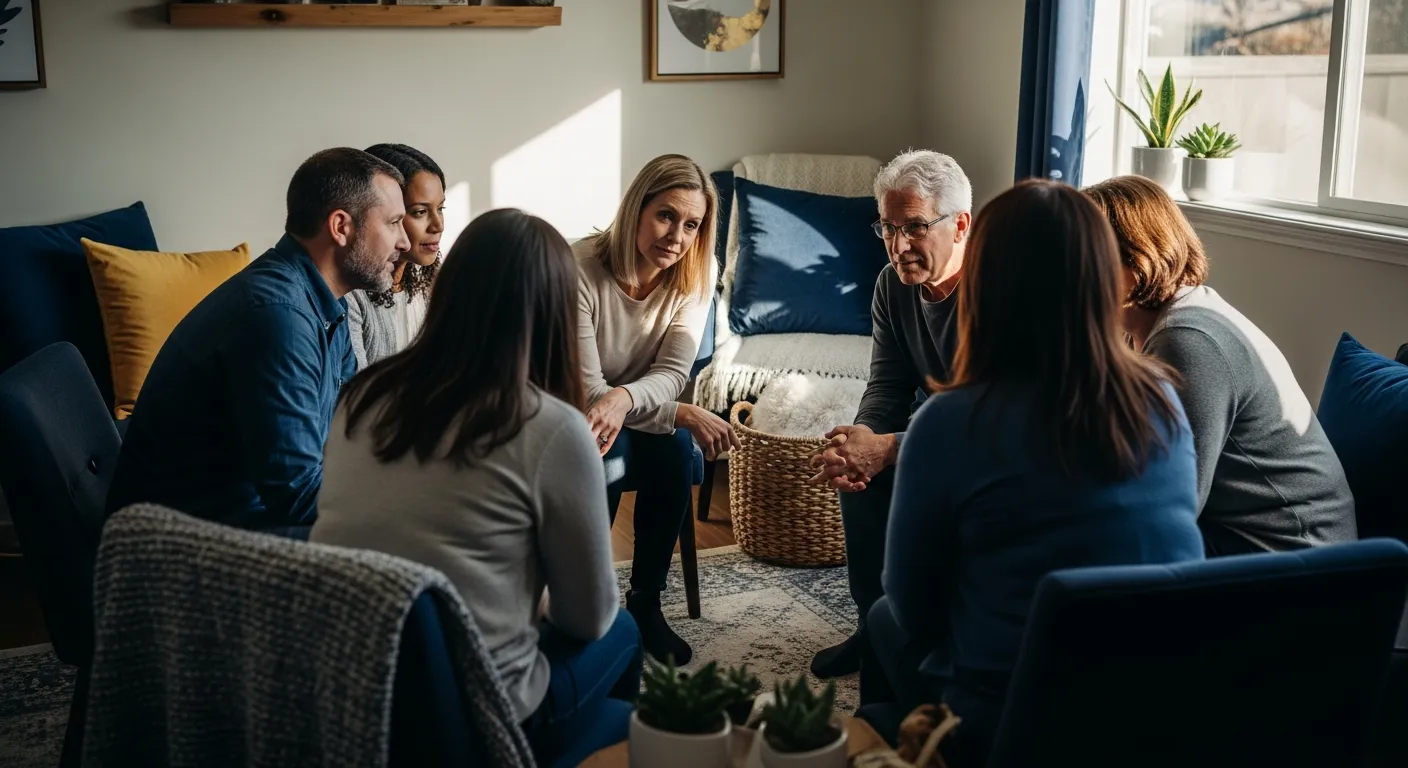
Everyday tools for a life worth staying sober for
One of the greatest misconceptions about recovery is that life simply returns to the way it was before addiction. For many people, recovery is actually an opportunity to build a healthier life than they've ever experienced. New skills, healthy routines, better communication, stress management, physical wellness, purpose, and confidence are not extras. They are part of recovery. At Present Moments Recovery, Life Skills & Wellness helps clients develop the practical tools needed to build a fulfilling life long after treatment ends.
At Present Moments Recovery, life skills and wellness work starts in treatment and keeps building afterward. The two pages below cover where most people begin: the daily routines that keep recovery steady, and the sense of purpose that makes it worth protecting.
Go deeper into life skills

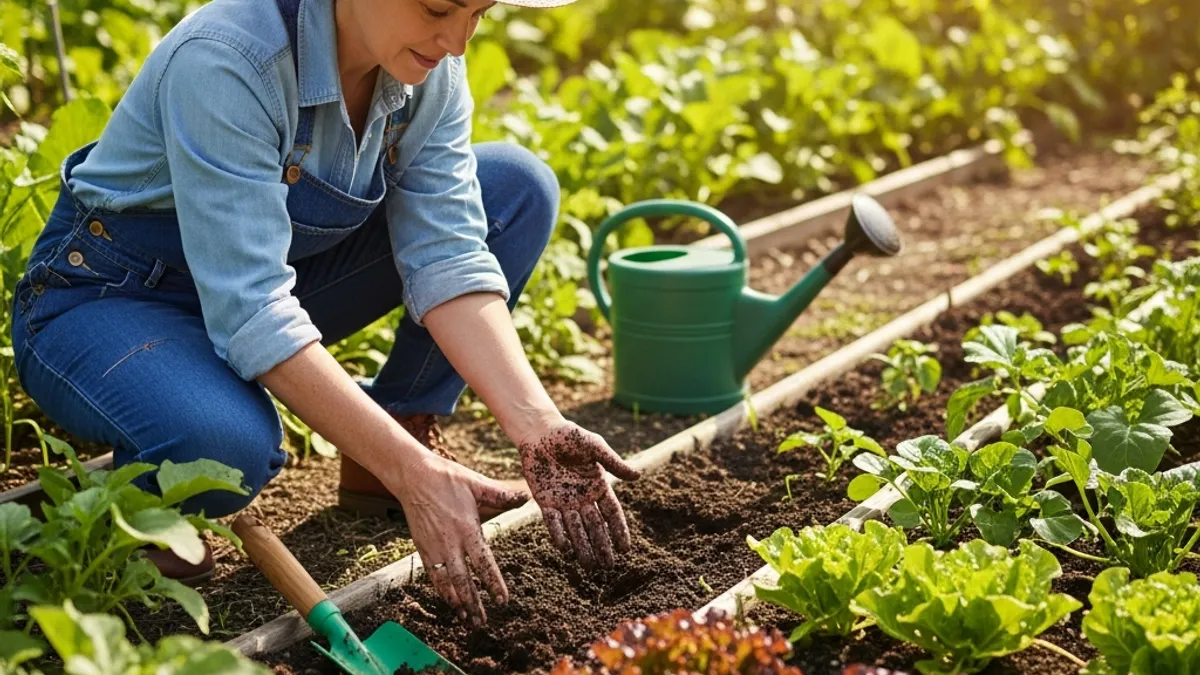
Recovery is about living, not just sobriety
Stopping alcohol or drug use is an important beginning. Learning how to enjoy life without substances is the next chapter. Many clients ask questions like: How do I handle stress? How do I rebuild my career? How do I reconnect with my family? How do I make healthy friends? How do I enjoy weekends? How do I manage money? How do I find purpose? These are life skills. Recovery is learning how to answer those questions differently.
Building confidence through practice
Confidence rarely arrives all at once. It grows through small victories: keeping commitments, showing up on time, having difficult conversations, making healthy decisions, learning new habits. Each success becomes evidence that lasting change is possible.
Whole-person wellness
Recovery involves every part of life: physical wellness, mental health, emotional regulation, relationships, nutrition, exercise, sleep, purpose, community, and spiritual growth. These areas work together. As one improves, others often become stronger as well.
Life skills clients may develop
- Healthy communication and conflict resolution
- Time management and goal setting
- Financial responsibility
- Stress management and emotional awareness
- Healthy boundaries and relationship skills
- Problem solving and self-care
- Nutrition, exercise, and sleep habits
- Career readiness
Healthy routines create stability
Daily routines provide structure: healthy sleep, balanced meals, exercise, personal reflection, recovery meetings, time outdoors, family, and service. Simple routines reduce chaos and increase resilience.
Learning how to manage stress
Stress doesn't disappear. People simply develop healthier ways to respond. Clients practice mindfulness, exercise, relaxation, healthy communication, time management, asking for help, journaling, and spiritual practices.
Rebuilding relationships
Recovery often provides opportunities to repair relationships damaged by addiction. Clients learn listening, accountability, honesty, boundaries, empathy, respect, and forgiveness. Healthy relationships become one of recovery's greatest rewards.
Purpose is powerful
People who discover purpose often discover hope. Purpose may come through family, career, education, creativity, faith, service, volunteering, mentoring, or hobbies. Purpose gives recovery direction.
Recreation without substances
Many clients wonder: what do people in recovery actually do? The answer is almost everything. Travel, surfing, golf, pickleball, music, art, camping, fitness, cooking, reading, volunteering. Living in North County San Diego, near the beaches of Carlsbad and the trails around San Marcos, our clients rediscover that joy does not require substances. Recovery is about rediscovering joy.
A message from Mark
One of the greatest moments I see is when someone stops talking only about staying sober and starts talking about living again. They begin planning vacations, returning to school, playing with their children, starting businesses, finding meaningful work, and helping others. That's when recovery becomes something much bigger than abstinence. It becomes a new way of living. - Mark Gladden, Founder
Why this matters
Recovery becomes easier when life becomes healthier. The goal isn't perfection. The goal is creating a life that supports continued growth. At Present Moments Recovery, Life Skills & Wellness helps clients build confidence, independence, resilience, and hope for the future.
Frequently asked questions
What are life skills?
Life skills are the practical, emotional, and social abilities needed to live a healthy, independent life: communication, time management, financial responsibility, stress management, self-care, healthy boundaries, and more. Addiction often interrupts the development of these skills, and treatment is a chance to learn or relearn them.
Why are life skills important in recovery?
Recovery becomes easier when life becomes healthier. Practical skills reduce daily stress and chaos, build confidence and independence, and help people handle the responsibilities and relationships of everyday life without returning to substances.
Does wellness help prevent relapse?
For many people, yes. Consistent sleep, nutrition, exercise, and stress management reduce the physical and emotional states that increase vulnerability to cravings. No approach can guarantee against relapse, but a healthier daily life makes recovery more resilient.
Why does exercise matter in recovery?
Physical activity supports mood, sleep, energy, and stress relief, and it gives structure to the day. A healthier body often supports a healthier mind, and many people find that exercise becomes one of their most reliable coping tools.
Can recovery actually be enjoyable?
Yes. People in recovery travel, surf, play music, create art, camp, cook, volunteer, and build careers and families. Early recovery can feel unfamiliar, but most people find that genuine enjoyment returns, and often deepens, once substances are no longer at the center of life.
How do healthy routines help?
Routines create stability. Consistent sleep, regular meals, movement, recovery meetings, and time with supportive people provide structure during both good times and difficult ones, reducing the chaos that often feeds addiction.
What if I've forgotten how to live without substances?
That feeling is common, and it is exactly what this work addresses. Life skills are learned through practice, not willpower. Treatment provides a supportive place to rebuild routines, relationships, and confidence one step at a time, with guidance along the way.
How does Present Moments Recovery teach life skills?
Life skills are woven into every level of care, from structured daily routines in residential treatment to increasing independence in PHP, IOP, and sober living. Clients practice real skills in real situations: cooking, budgeting, scheduling, communicating, and rebuilding responsibilities with support nearby.