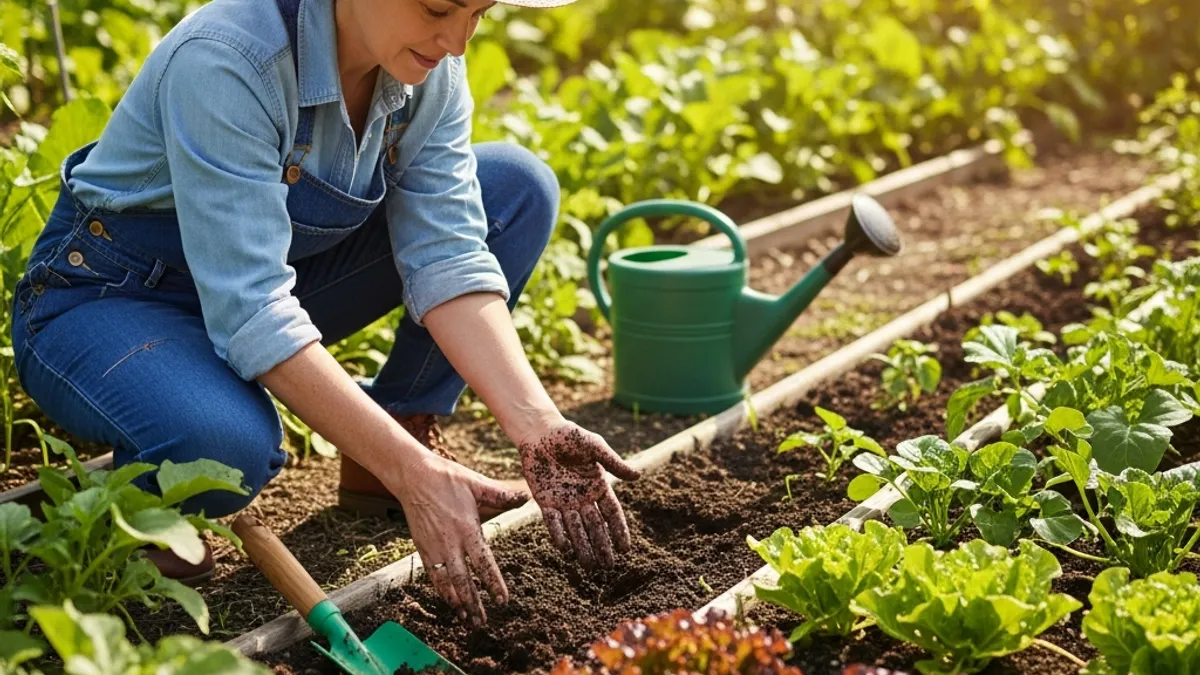
Recovery is not only what you give up, but what you build
Many people entering treatment have spent years focused on one thing: surviving. Getting through the day. Managing the next crisis. Recovery slowly creates space for a different kind of question: not just "How do I stay sober?" but "What am I staying sober for?" Purpose is what turns recovery from something a person endures into something they build.
Continue reading


Why purpose matters
People who discover purpose often discover hope. Purpose does not eliminate life's difficulties; it gives people reasons to keep growing through them. Research on long-term recovery consistently points to meaning, connection, and contribution as some of the strongest supports for lasting change. When life is worth protecting, protecting it stops feeling like deprivation.
Purpose usually starts small
Purpose rarely arrives as a grand revelation. It usually starts small: showing up for a friend, doing a job well, keeping a promise to a child, finishing something that once felt impossible. Those small acts accumulate into identity. Over time, "a person trying to stay sober" becomes "a good parent," "a reliable coworker," "someone people can count on." That shift in identity is one of recovery's most durable changes.
Family
For many people, the first and deepest source of purpose is family: being present for children, rebuilding a marriage, becoming a dependable son or daughter again. These relationships often carry old wounds, and repair takes time and patience. But few things anchor recovery like watching trust slowly return in the eyes of people you love.
Work and education
Meaningful work builds structure, income, confidence, and identity. For some, recovery means returning to a career addiction interrupted. For others, it means new training, finishing a degree, or discovering work that fits who they are becoming. Progress here tends to reinforce everything else: stability lowers stress, and accomplishment builds belief in the future.
Service and giving back
Something changes when a person in recovery starts helping others: sponsoring a newcomer, volunteering, mentoring, or simply showing up for someone struggling. Service builds self-respect, connection, and gratitude all at once, and it turns painful history into something useful. Many people with decades of recovery describe service as the single strongest protective force in their lives.
Creativity, faith, and passions
Purpose also grows through creativity and spirit: music, art, writing, cooking, building things, faith practices, time in nature. Addiction tends to narrow life down to one repetitive pursuit. Recovery reopens the field. Hobbies that seemed lost, or never had a chance to develop, often become sources of real joy and community.
When purpose feels out of reach
Early recovery can feel flat. The brain is healing, emotions are recalibrating, and things that should feel good sometimes don't yet. If purpose feels distant, that is not evidence it will never come. It is usually evidence that it is early. The practical advice is simple: keep showing up, stay connected, try things, and give it time. Purpose tends to find people who are in motion.
Purpose gives recovery direction
At Present Moments Recovery, we care about more than the absence of substances. We care about what fills the space they leave: relationships, work, service, faith, creativity, and community. Clients begin exploring these areas during treatment, and continuing care helps them keep building afterward. Recovery is not only about what you give up. It is about what you get to build.
Frequently asked questions
Why does purpose matter for staying sober?
Purpose gives people reasons to keep growing through difficulty. Meaning, connection, and contribution are consistently linked with lasting recovery, because a life worth protecting makes healthy choices feel natural rather than restrictive.
What if I don't know what my purpose is?
Most people don't at first, and that is completely normal. Purpose usually starts small: keeping commitments, helping someone, trying new activities. It grows through action over time rather than arriving as a sudden revelation. Staying connected and in motion is what allows it to develop.
Can helping others really support my own recovery?
Yes. Service, whether sponsoring, volunteering, or mentoring, builds self-respect, gratitude, and connection, and turns difficult history into something useful. Many people in long-term recovery describe giving back as one of the strongest protective forces in their lives.
Why does early recovery sometimes feel flat or empty?
The brain is healing and emotions are recalibrating, so things that should feel rewarding sometimes don't yet. This usually improves with time, connection, and activity. Feeling flat early on is not evidence that purpose or joy will never return.
How does treatment help with finding purpose?
Treatment creates space to explore what matters: rebuilding relationships, developing skills, discovering interests, and connecting with recovery community. Continuing-care planning then helps carry those threads forward into work, service, education, and family life after treatment ends.